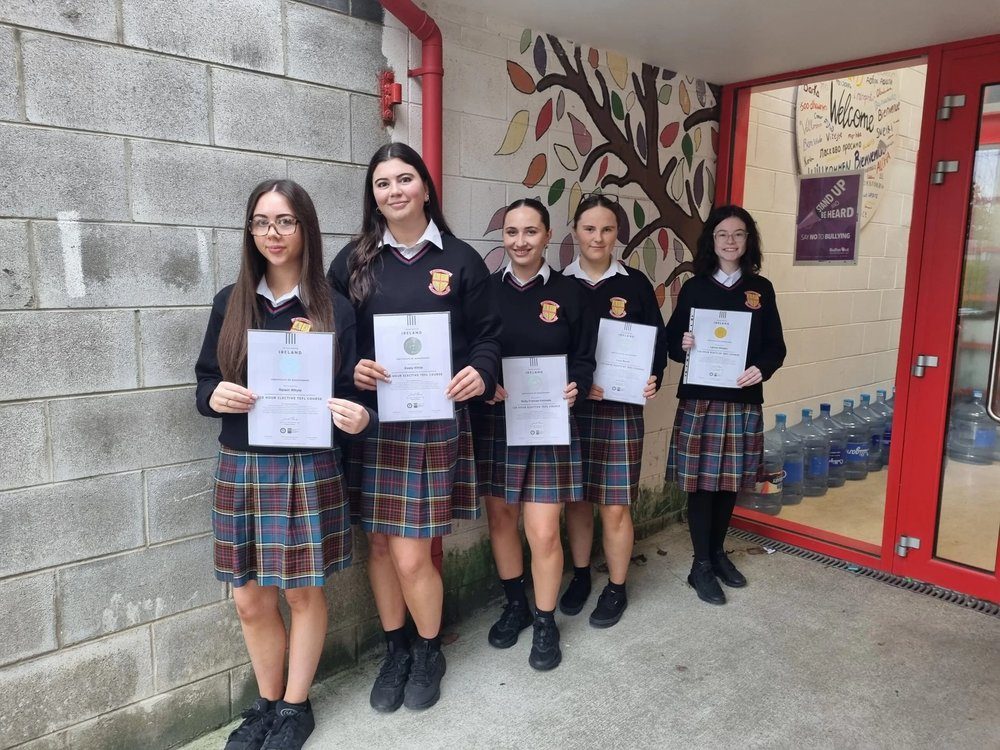

The TEFL Bucket List: 30 Things Every Teacher Should Do Abroad
Most people think TEFL abroad is just about teaching English: lesson plans, grammar explanations, and standing at the front of a classroom.
But anyone who has actually packed a suitcase, boarded a one-way flight, and stepped into their first classroom overseas knows the truth: teaching English abroad is a doorway. It opens into street markets and midnight trains, friendships with people you never would have met at home, and moments of growth you can’t really prepare for.
Life as a TEFL teacher abroad doesn’t look like a standard 9–5. One week you’re helping a student prepare for a life-changing job interview in English, the next you’re on a night bus to a new city, or dancing at a local festival you didn’t know existed a month ago. Your “office” might be a lively primary school in Thailand, a language academy in Spain, or a café in Vietnam with strong Wi‑Fi and even stronger coffee.
Over time, TEFL teachers realise they’ve been ticking off a quiet bucket list without noticing: first solo trip, first time negotiating rent in another language, first time feeling truly at home in a country that isn’t their own.
This article turns that quiet list into a conscious one: The TEFL Abroad Bucket List.
It’s not about job titles or salaries. It’s about experiences. About what it feels like to teach English overseas and to build a life around curiosity, culture, and adventure. Use this list as inspiration for your own TEFL adventures, whether you’re a recent Irish graduate, a backpacker on a gap year, a career changer, or a digital nomad in the making.
Table of Contents
- Introduction
- 30 Things Every Teacher Should Do Abroad
- What You’ll Gain From Completing Your TEFL Bucket List
- Why TEFL Is More Than Just a Job
- Start Your TEFL Journey
30 Things Every Teacher Should Do Abroad – The TEFL Abroad Bucket list

1. Teach Your First Class Abroad
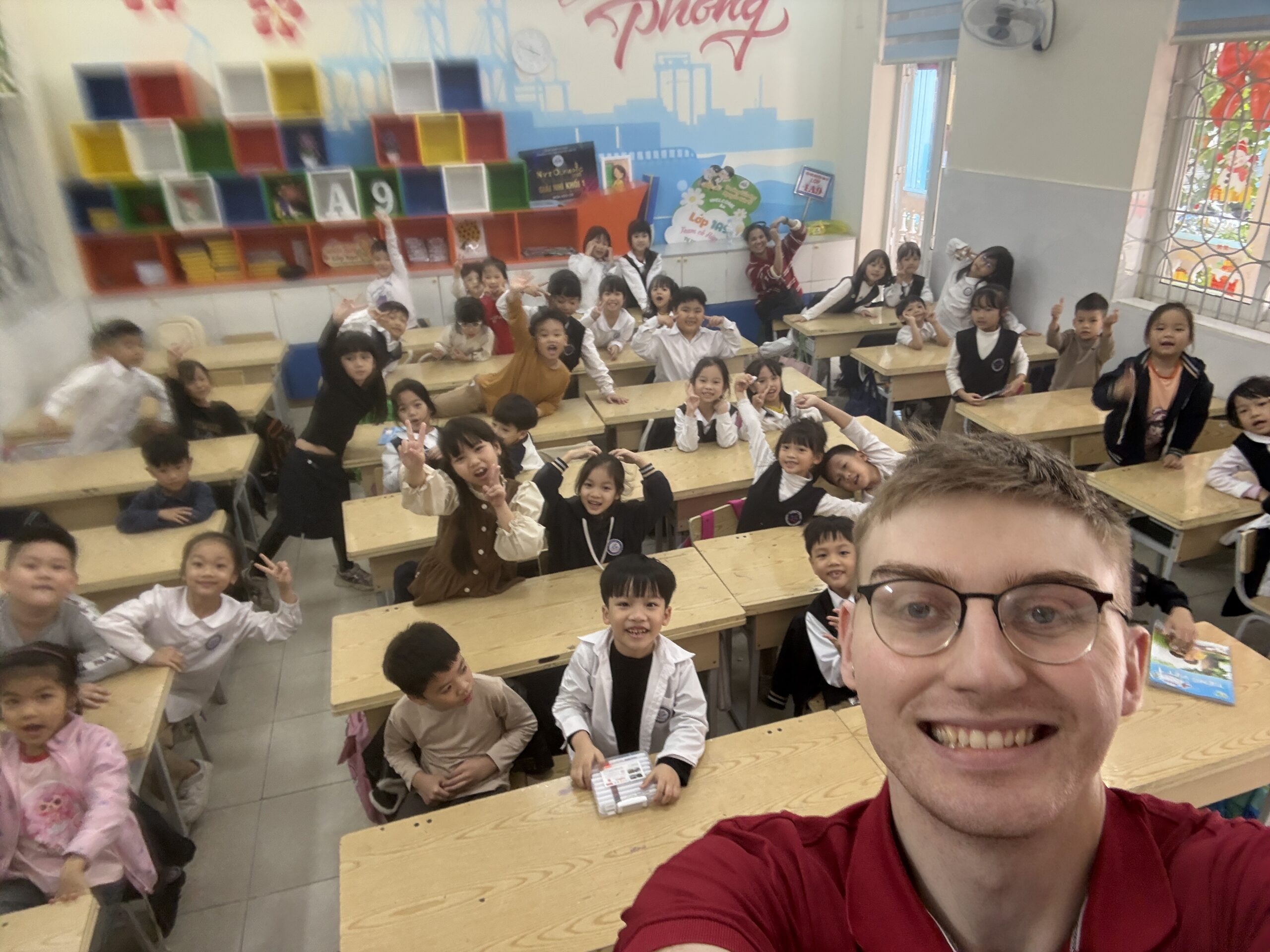
There is nothing quite like walking into your very first classroom overseas. The whiteboard markers squeak, the students look at you with a mix of curiosity and expectation, and you suddenly realise: this is real. You’re not reading about teaching English abroad anymore. You’re doing it.
That first lesson might not be perfect. You might forget an activity, or speak too quickly, or misjudge how long something will take. But you’ll walk out of the room with a buzz that only comes from stepping into something new and meaningful.
Why it matters: This is the moment your TEFL abroad journey truly begins.
Growth angle: You prove to yourself that you can handle the unknown, use your training under pressure, and show up for your students even when you’re nervous.
2. Learn Basic Phrases in the Local Language
Before you arrive, you might tell yourself you’ll “pick it up when you get there”. Then you try to order food, buy a bus ticket, or ask for directions and suddenly those basic phrases feel very important.
Learning simple expressions like “hello”, “thank you”, “how much is this?”, and “where is…?” will transform your day-to-day life. Locals will often soften instantly when they hear you try, even if your pronunciation isn’t perfect.
Why it matters: It shows respect and breaks down barriers much faster than speaking English louder ever could.
Growth angle: You start to experience what your students go through, which makes you a more empathetic, patient TEFL teacher abroad.
3. Celebrate a Local Festival
It could be Songkran in Thailand, Lunar New Year in Vietnam, Carnival in Europe, or a small harvest festival in a rural town. You won’t fully understand life in your host country until you see how people celebrate together.
At first, it might feel overwhelming: crowds, music, food you can’t name, rituals you don’t recognise. But that’s exactly why it’s powerful. You’re being welcomed into traditions that existed long before you arrived and will continue long after you leave.
Why it matters: Festivals are where culture comes alive, and you get to experience it from the inside, not as a ticking‑off‑the-list tourist.
Growth angle: You become more comfortable being an outsider who chooses to participate, not just observe.
4. Eat Street Food Recommended by Locals
You’ll see long queues at certain stalls and quiet tables at others. The rule is simple: follow the queues. Ask your students or colleagues where they eat after work. Join them.
Maybe you’ll try pad thai from a stall on a Bangkok side street, pho in a busy Vietnamese alley, or churros from a tiny stand behind a Spanish plaza. You might not know exactly what you’re ordering at first, but that’s part of the fun.
Why it matters: Street food is often tastier, cheaper, and more authentic than anything in a tourist-friendly restaurant.
Growth angle: You step outside your comfort zone and learn to trust local recommendations, not just review sites.
5. Make Friends From Five Different Countries
One of the most surprising things about TEFL travel is how quickly your social circle becomes global. You might share a flat with a teacher from South Africa, plan weekend trips with someone from Canada, and go for after-class coffee with local teachers.
Many people will start a TEFL abroad bucket list for this reason. Soon, your group chats include people in different time zones, and your map of “places to visit” is tied to where your friends live, not just tourist hotspots.
Why it matters: These friendships can last far beyond one contract or one country.
Growth angle: You gain perspectives on politics, culture, and everyday life you would never have encountered at home.
6. Travel Solo for the First Time
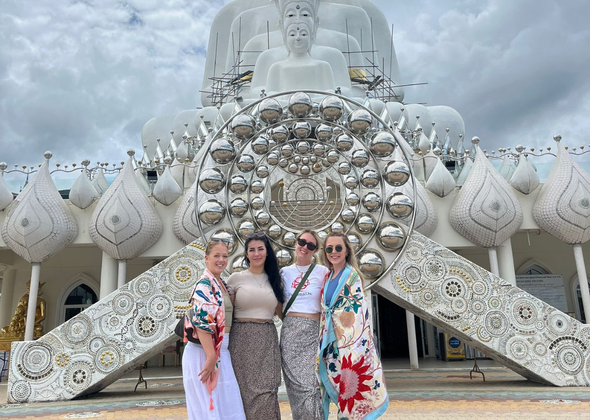
Many people dream about solo travel but never quite make the leap. Working abroad as a teacher gives you a base, an income, and the perfect excuse to finally go.
Maybe it’s a weekend train trip to a nearby city, or a longer journey during school holidays. You’ll plan your own route, choose your own pace, and discover how capable you actually are.
Why it matters: Solo travel is one of the quickest ways to build confidence and independence.
Growth angle: You learn to navigate challenges alone, listen to your instincts, and enjoy your own company.
7. Watch a Sunrise in a New Country
Wake up early, grab a coffee, and find a quiet spot: a rooftop, a beach, a hill behind your town. As the sky lightens, you’ll suddenly remember where you are — and how different your life looks now compared to a year ago.
There’s something grounding about watching a new day begin in a place that once existed only as a pin on your map.
Why it matters: It creates a moment of stillness to reflect, away from busy classrooms and noisy streets.
Growth angle: You practise gratitude and presence, instead of rushing from one experience to the next.
8. Visit a Hidden Local Destination
Ask your students: “Where do you go at the weekend?” You’ll hear about waterfalls that don’t appear on tourist websites, tiny fishing villages, hillside temples, or quiet lakes popular with locals.
Say yes to the invitation to visit a cousin’s hometown or a colleague’s favourite beach. These are the places that end up lodged in your memory long after the famous landmarks blur together.
Why it matters: You see how people live, not just where they work or study.
Growth angle: You learn to listen deeply, trust local knowledge, and value experiences over Instagram‑perfect locations.
9. Take a Spontaneous Weekend Trip
You’re sitting in the staffroom on a Friday afternoon and someone says, “There’s a bus leaving tonight — want to come?” Your instinct might be to overthink it. Don’t. Go.
Pack a small bag, book a hostel on your phone, and let the trip unfold. You might end up hiking, kayaking, wandering old streets, or discovering a tiny café that becomes your new favourite place.
Why it matters: TEFL jobs abroad give you the flexibility and location to be spontaneous in a way that’s harder at home.
Growth angle: You become more adaptable, less attached to plans, and more open to chance.
10. Learn to Cook a Local Dish
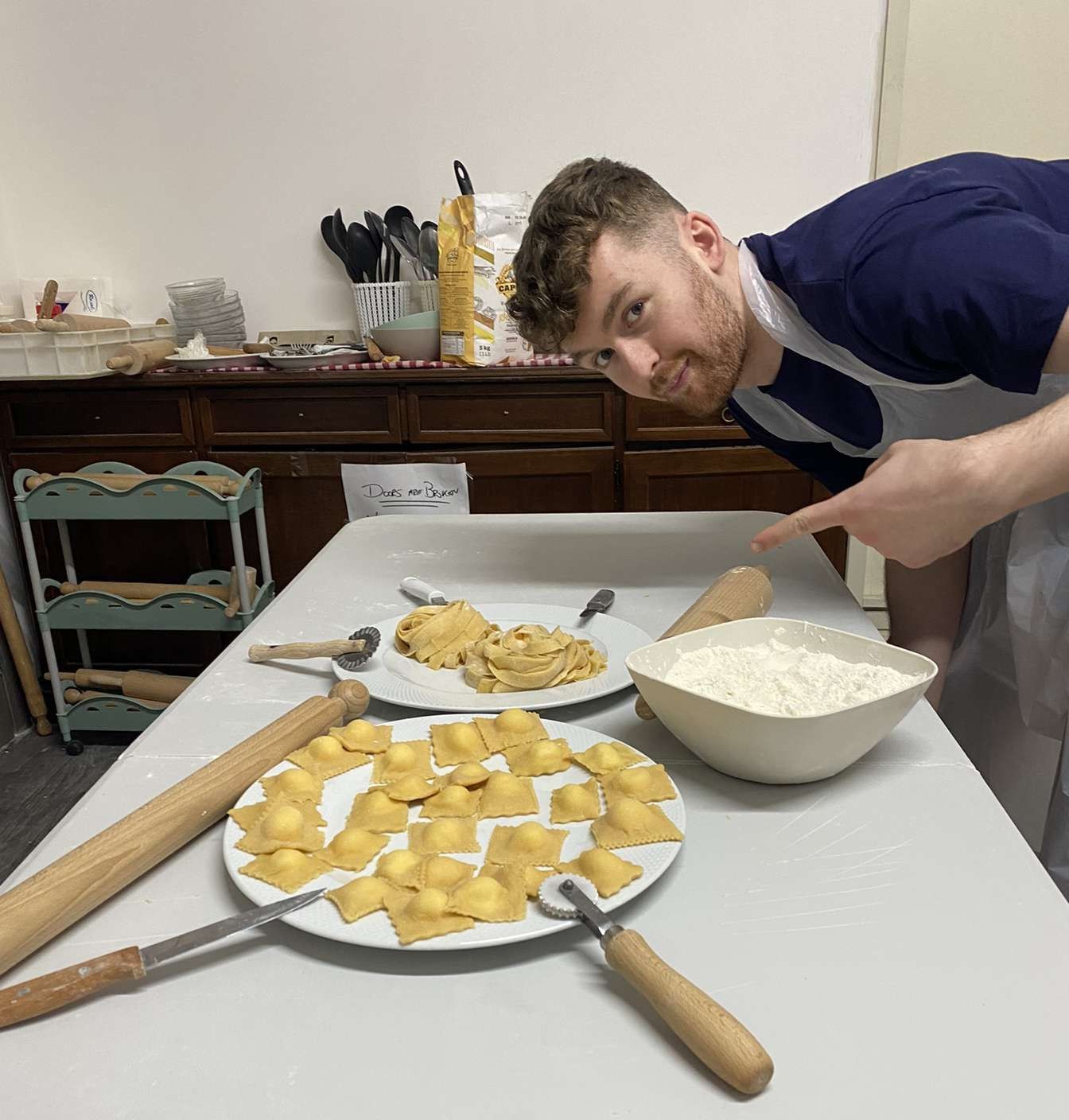
Instead of just eating the food, learn how it’s made. Ask a host family to show you their recipe, or sign up for a local cooking class with other teachers. You’ll find out which ingredients people insist on, which shortcuts are “not allowed”, and which dishes are reserved for special occasions.
Then, one day, you’ll cook that dish for friends back home and realise you’re carrying your TEFL adventures into the next chapter of your life.
Why it matters: Cooking builds connection, both where you are and when you return.
Growth angle: You gain a tangible skill and a deeper appreciation for daily life in your host country.
11. Teach Students From Different Cultures
You might start teaching in one country, then move to another, or teach online students from across the world. Your classroom changes, your students’ expectations shift, and your teaching style evolves.
What motivates a teenager in Spain may differ from a business professional in Vietnam or a young learner in Thailand. You adjust, experiment, and keep learning.
Why it matters: You realise “one-size-fits-all” doesn’t work in TEFL, and this is a vital step in your TEFL abroad bucket list for growth..
Growth angle: You become a flexible, culturally sensitive teacher who can succeed in almost any classroom.
12. Use Public Transport Like a Local
At first, public transport overseas can feel intimidating: route maps in another language, ticket machines you don’t fully understand, buses that seem to arrive whenever they feel like it.
But once you crack it, you feel unstoppable. You know which platform to head for, which app to use, and which shortcuts save you time and money.
Why it matters: Mastering local transport changes you from visitor to resident.
Growth angle: You build problem-solving skills and learn to stay calm in confusing situations.
13. Volunteer in Your Local Community
Many TEFL teachers find ways to give back beyond their paid work: running informal conversation clubs, helping at community centres, or supporting local charities. It might be a weekend reading project with kids, or a free English workshop for adults.
You’ll meet people you wouldn’t encounter in a formal classroom and see how language learning fits into their real lives.
Why it matters: Volunteering reminds you that teaching English overseas can be about more than your own adventure.
Growth angle: You develop empathy, social awareness, and a deeper sense of purpose.
View: Volunteering Internship in Thailand
14. Visit a Neighbouring Country
Living abroad makes crossing borders feel far more accessible. Suddenly a country that once felt “far away” is a short flight or a night bus away. If you’re teaching English in Thailand, popping over to Vietnam, Laos, or Cambodia becomes realistic. If you’re in Spain, Portugal or France might be just a train ride away.
You’ll notice similarities and differences with your host country, and with home.
Why it matters: You realise you’re not just visiting one place — you’re exploring a whole region.
Growth angle: You build a broader understanding of how cultures connect and differ.
15. Learn Local Customs and Etiquette
You’ll notice quickly that what’s polite at home might not be polite abroad. Maybe people remove shoes indoors, bow instead of shake hands, or avoid certain topics in casual conversation.
Your students will love explaining these details if you ask. They’ll tell you which gestures are rude, which gifts are appropriate, and what to say when you meet someone for the first time.
Why it matters: Understanding customs prevents embarrassing misunderstandings and deepens relationships.
Growth angle: You become more observant, respectful, and culturally intelligent.
16. Join a Club, Class, or Sports Team Abroad
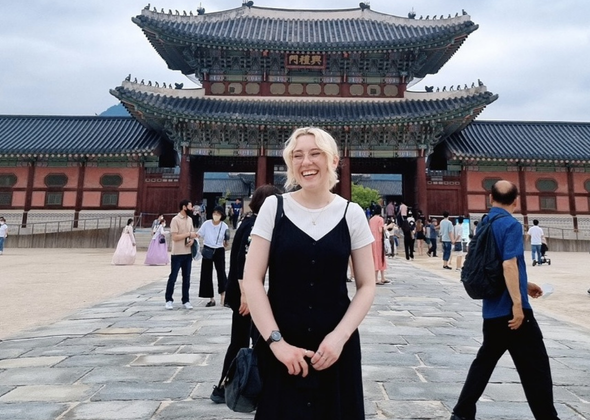
You don’t have to limit your life to school and travel. Join a local football team, dance class, hiking group, yoga studio, or language exchange. Showing up regularly turns strangers into familiar faces and familiar faces into friends.
Soon, your week might include a Tuesday night football match or a Saturday morning hike with a group of locals and fellow expats.
Why it matters: It gives you a sense of belonging and routine in your new life.
Growth angle: You build confidence in social situations and expand your identity beyond “the English teacher”.
17. Celebrate Your Birthday Overseas
This is a core part of the TEFL abroad bucket list. Spending your birthday abroad can feel strange at first — you’re away from family traditions and your usual circle of friends. But it can also be one of the most memorable birthdays you ever have.
Your students might sing to you in accented English, colleagues may surprise you with a cake at school, and your new friends might plan a weekend trip or a dinner in your honour.
Why it matters: You realise that “home” can exist in more than one place.
Growth angle: You become more open to creating new traditions and building community wherever you go.
18. Teach Online From a Café
Picture this: a quiet café, strong coffee, reliable Wi‑Fi, and a row of eager faces appearing on your laptop screen from all over the world. Teaching English online from a café or co-working space is a small but powerful taste of the digital nomad lifestyle.
It might start as a way to top up your income between in‑person classes, or become your main mode of teaching as you travel.
Why it matters: It shows you that TEFL abroad isn’t tied to one classroom or one city.
Growth angle: You learn to manage your time, set boundaries, and work independently.
19. Work With Young Learners
If you’ve never worked with children before, the idea can be intimidating. But young learners bring a different energy to life as a TEFL teacher: games, songs, creative activities, and endless surprises.
You’ll find yourself acting out stories, inventing characters, and celebrating every small breakthrough.
Why it matters: Working with kids pushes you to simplify, engage, and adapt fast.
Growth angle: You develop patience, creativity, and a strong classroom presence.
20. Learn a Traditional Dance
Whether it’s salsa in Spain, a traditional Thai dance, or a folk style in Eastern Europe, dance is a powerful way to connect with a culture that doesn’t rely on words. You might feel ridiculous at first, but that’s half the point.
Join a class, go to a local social night, or say yes when students invite you to join in at a festival.
Why it matters: You take part in culture instead of just watching it.
Growth angle: You let go of self-consciousness and embrace trying new things, even when you’re not “good” at them.

21. Build a Global Network of Friends and Colleagues
Over time, you’ll realise your contacts list is full of teachers, school owners, recruiters, and former students in cities across the world. Some of them will tip you off about new TEFL jobs abroad. Others might invite you to visit, collaborate on projects, or even start something of your own.
Keeping in touch with people you meet through TEFL, via LinkedIn, WhatsApp, or email, turns your career into a global web of opportunities.
Why it matters: These connections can lead to jobs, partnerships, and friendships you could never have planned.
Growth angle: You learn to network naturally, not just at formal events, but through everyday interactions.
22. Teach in a Classroom Where Nobody Shares Your Native Language
One day you’ll find yourself in front of a class where no one speaks English beyond a few basic words — and no one speaks your native language either. That’s when your gestures, facial expressions, pictures, and patience become your best tools.
You’ll act out vocabulary, draw on the board, use real objects, and discover how much communication is possible without translation.
Why it matters: It pushes you to rely on clear instructions and strong classroom management, not just explanations.
Growth angle: You become a resourceful teacher who can handle low‑level classes with confidence.
23. Try the Digital Nomad Lifestyle for a While
Once you’re TEFL qualified and have some experience, you might decide to switch to fully remote teaching — at least for a season. You could spend a month in one city, then move on, teaching online from co-working spaces or apartments as you go.
You’ll learn quickly how important time zones, Wi‑Fi, and a quiet background are, but you’ll also experience a freedom many people only dream of.
Why it matters: It shows you that your TEFL career can be designed around the life you want, not the other way around.
Growth angle: You take full responsibility for your schedule, income, and work–life balance.
24. Get Lost and Discover Somewhere Amazing
It’s almost a rite of passage. You get on the wrong bus, take a wrong turn, or misread a map. At first, you panic. Then you look around and notice a beautiful temple you never knew existed, a small café full of locals, or a viewpoint over the city.
Of course, stay safe and sensible — but allow space for detours. Some of your favourite places will be ones you didn’t mean to find.
Why it matters: It reminds you that not everything has to be planned to be worthwhile.
Growth angle: You develop resilience and the ability to adapt when things don’t go exactly as expected.
25. Attend a Cultural Event or Performance
Go to a local theatre performance, a traditional music concert, a school sports day, or a community ceremony. Even if you don’t understand every word, you’ll pick up rhythms, emotions, and social dynamics.
Students will light up if they see you there — it tells them you care about their world beyond verbs and vocabulary.
Why it matters: You connect with your community in a context that isn’t centred around English.
Growth angle: You become more observant, curious, and willing to sit in spaces where you’re not the focus.
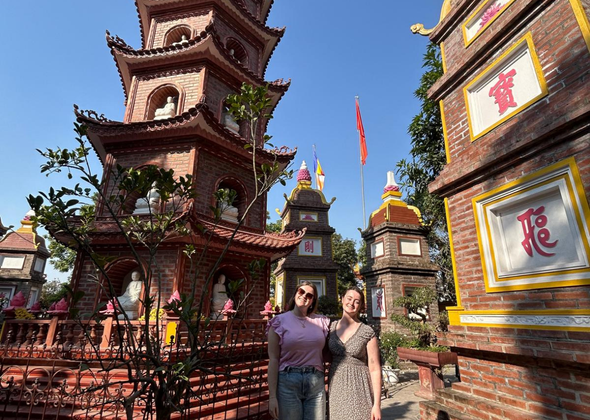
26. Create a Travel Journal or Blog
You think you’ll remember everything: the names, the small details, the funny misunderstandings. You won’t. Writing them down keeps them alive.
Whether it’s a private journal, a blog, or a series of notes on your phone, recording your TEFL adventures helps you make sense of them — and gives you a meaningful record to look back on later.
Why it matters: Reflection turns random experiences into a coherent personal story.
Growth angle: You improve your writing, notice your own development, and articulate what you’re learning.
27. Explore a Local Market with No Agenda
Give yourself an afternoon to wander a market with no shopping list. Listen to the vendors calling out, watch how people bargain, sample things you’ve never seen before.
Ask questions: What is this? How do you cook it? When do people eat it? Markets are living textbooks in culture, economics, and everyday life.
Why it matters: You experience the flow of local life in raw, unscripted form.
Growth angle: You build confidence interacting with strangers and navigating busy, unfamiliar spaces.
28. Let Your Students Teach You Something
One day, flip the script. Ask your students to teach you about something: a local proverb, a game from their childhood, a traditional song, or how to write your name in their script.
Watch how their faces light up when they become the experts and you become the learner.
Why it matters: It shifts the classroom dynamic and shows your students you value their culture and knowledge.
Growth angle: You practise humility, curiosity, and the ability to learn alongside your students.
29. Overcome a Personal Fear
Everyone brings at least one fear into their TEFL abroad journey. Maybe it’s public speaking, flying, meeting new people, or being far from home. Teaching English overseas will, sooner or later, confront you with it.
You might realise after your first week of teaching that speaking in front of a class no longer terrifies you. Or you’ll board a night bus on your own and realise you’re not as fragile as you thought.
Why it matters: Facing fears abroad shows you how much you’re capable of when you step beyond your comfort zone.
Growth angle: You build inner strength that stays with you, long after your teaching contract ends.
30. Help a Student Achieve a Life-Changing Goal
This is the moment TEFL abroad stops being just about travel and becomes deeply personal. It might be a teenager getting into their dream university, a nurse passing an English exam for an overseas job, or a business professional finally giving a presentation confidently.
You’ll see their relief, pride, and excitement — and know that your lessons, encouragement, and patience contributed to that moment.
Why it matters: It reminds you that teaching has real, tangible impact on people’s lives.
Growth angle: You connect your love of travel with a sense of purpose and contribution.
What You’ll Gain From Completing Your TEFL Bucket List
By the time you’ve ticked off many of these experiences, you’ll realise you’re not the same person who first searched “TEFL abroad Bucket List” in a browser. You’ll stand a little taller, speak a little more clearly, and tackle challenges that once felt intimidating with surprising calm.
Your confidence will grow from real situations: surviving your first chaotic lesson, negotiating rent with a landlord, or navigating immigration queues alone. Instead of asking, “Can I do this?” you’ll find yourself thinking, “I’ve handled worse.”
Independence becomes your normal. You’ll make decisions about where to live, how to spend your time, and which contracts to accept based on your own priorities, not other people’s expectations. Cultural awareness stops being a buzzword and becomes instinct: you automatically adjust how you speak, behave, and teach depending on who is in front of you.
Communication skills will skyrocket. You’ll learn to explain complex ideas simply, listen between the lines, and read non‑verbal cues. These are the skills that matter whether you stay in education, move into marketing, business, or something completely different.
Most of all, you’ll gain stories and friendships that shape your life long after your TEFL jobs abroad are over. The colleague who helped you in your first week. The student who still messages you on social media. The fellow teacher you met on a train who became your closest friend.
This is what a TEFL abroad bucket list really gives you: not just memories, but a different way of seeing yourself and the world.
Why TEFL Is More Than Just a Job
It’s easy to see TEFL as a stepping stone — a way to escape a grey graduate job market, take a gap year, or buy yourself some time to figure things out. But for many people, teaching English overseas becomes something deeper: a lifestyle, a mindset, and sometimes a long-term career.
With a recognised qualification, such as a 120 Hour TEFL Course for solid foundations or a 180 Hour Level 5 TEFL Diploma for a more advanced, Ofqual‑regulated option, you’re not just checking a box. You’re building credibility that schools and employers around the world recognise and trust.
From there, doors open. You might start in a classroom in Thailand or Vietnam, then move into academic management, teacher training, online course creation, or international education partnerships. The skills you gain — adaptability, cross-cultural communication, presentation, planning, leadership — are highly transferable.
This TEFL abroad bucket list is also a gateway to travel that feels deeper than holiday snapshots. You’re not passing through; you’re joining staff rooms, renting apartments, buying groceries, and becoming part of local routines. Over time, you’ll realise you’ve built an international life: a network of friends and colleagues across countries, a CV full of experiences most people only dream of, and a clearer sense of what kind of life you want.
Crucially, TEFL is an opportunity to align adventure with purpose. You’re not just hopping from place to place. You’re helping people achieve their goals — jobs, visas, promotions, exams, confidence. That combination is rare and powerful.
So yes, TEFL is a job. But it can also be your route to designing a life that feels bigger, braver, and more connected than the one you leave behind.

Start Your TEFL Journey
At some point, dreaming stops being enough. You’ve read the stories, watched the videos, heard about friends who went to Thailand or Vietnam or Spain “for a year” and somehow built a whole new life. Maybe you’ve even bookmarked TEFL courses and then talked yourself out of it.
This is your nudge.
Every experience on this TEFL abroad bucket list — every sunrise, every festival, every classroom victory — starts with one simple decision: to get qualified and say yes. Once you do, what happens next is a mix of planning and beautiful unpredictability.
The TEFL Institute of Ireland exists to bridge the gap between “I’d love to do that” and “I’m actually doing it”. With internationally recognised, government‑regulated Level 5 TEFL courses, flexible online study options, lifetime TEFL certificates, and ongoing support — from CV and interview coaching to weekly job webinars and access to a TEFL jobs board — you don’t have to figure it all out alone.
You bring the curiosity and courage. The training, structure, and support are there to meet you.
If you’re ready to start your own TEFL abroad bucket list, take the first step today. Explore the TEFL Institute of Ireland’s courses, choose the path that fits your goals, and begin the journey that future you will be endlessly grateful for.