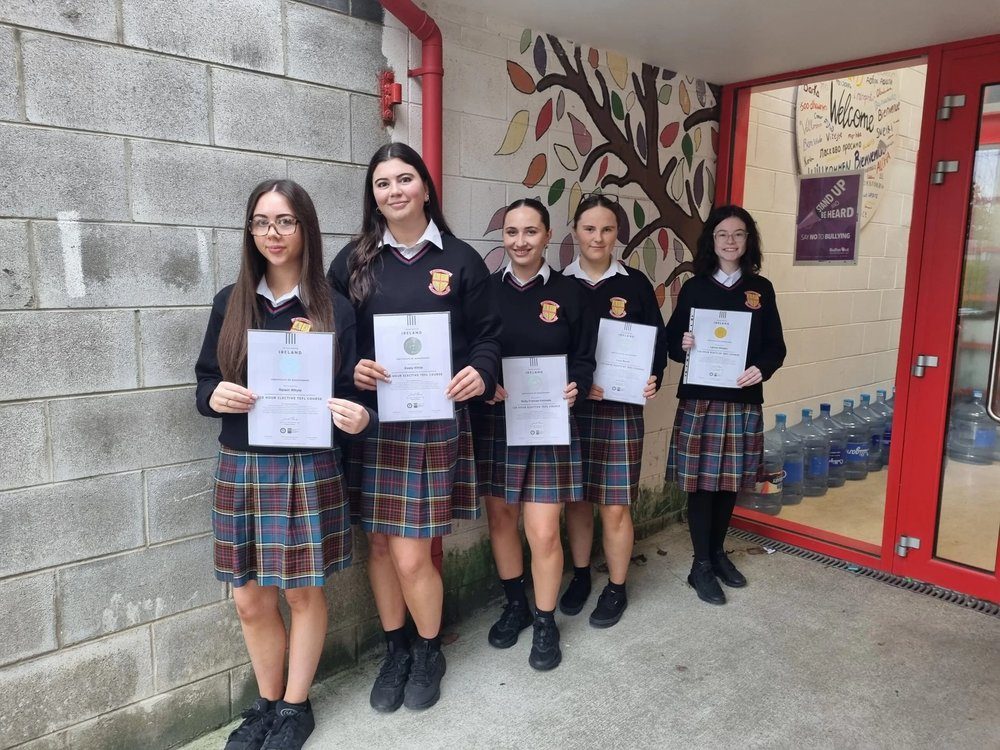

Cost of Becoming a TEFL Teacher in Ireland: Total Spend Breakdown 2026
The cost of becoming a TEFL teacher in Ireland can feel confusing at first glance, especially when every provider, destination and job ad seems to quote different figures. Instead of guessing, it helps to see the full picture in one place, from course fees and hidden extras to visas, flights and your first month abroad. This guide breaks down every major expense step by step, so you can budget realistically, compare options with confidence and decide which TEFL path offers the best value for your goals.
Table of Contents
- Why cost planning matters for new TEFL teachers
- The typical path to become a TEFL teacher in Ireland
- Core TEFL course costs in Ireland (2026)
- Hidden and additional TEFL costs to factor in
- Total start‑up budget examples for Irish TEFL teachers
- Funding options and support in Ireland
- How long it can take to earn back your investment
- Saving money with smart course choices
- About The TEFL Institute of Ireland
- Disclaimer
Why cost planning matters for new TEFL teachers
Becoming a TEFL teacher is one of the most accessible ways for Irish and European students to live, work and travel abroad, but it still comes with real costs that need planning. Before you book a flight or sign up for a course, it helps to understand how much you are likely to spend from your first enquiry to your first payday overseas.
In 2026, more graduates and career changers than ever are looking at TEFL as a flexible route into international work. At the same time, the cost‑of‑living pressures in Ireland mean you cannot afford vague guesses when it comes to course fees, visas, flights and savings. You need a realistic budget that looks at every stage of the journey, not just the headline course price.
This guide breaks down the cost of becoming a TEFL teacher in Ireland step by step. You will see typical TEFL course prices, example budgets for different routes, common “hidden” expenses and genuine ways to reduce your total spend through funding and smarter choices. The goal is to give you an honest, Ireland‑specific overview so you can make informed decisions rather than being surprised later on.
The typical path to become a TEFL teacher in Ireland
While every teacher’s story is different, most Irish TEFL journeys follow a similar pattern. You choose a TEFL course, complete your training, apply for jobs, organise visas and flights, move abroad and then settle into a new cost of living. Each stage has its own cost points and opportunities to save.
A typical path looks like this:
- Researching TEFL providers and choosing the right course level.
- Enrolling on a TEFL course and buying any study materials you need.
- Finishing the course, building your CV and applying for jobs abroad.
- Paying for documents such as background checks, translations or legalisations.
- Securing a contract and organising visa fees, medical checks and insurance (depending on destination).
- Booking flights and setting a relocation budget for your first few weeks abroad.
- Settling into your new city and managing living costs until your first paycheque arrives.
Understanding the cost of each step helps you decide whether you need a basic budget route or whether it makes sense to invest more up front for better long‑term value, for example by choosing a Level 5 TEFL diploma instead of the minimum 120‑hour course.

Core TEFL course costs in Ireland (2026)
When you calculate the full cost of becoming a TEFL teacher in Ireland, your TEFL course fee is usually the first figure you look at. Your TEFL course is usually the first and most obvious cost. In Ireland, prices vary depending on the course level, length, format and any live training included. Promotional offers can also lower the price significantly compared with the original fee.
Typical TEFL.ie course prices (spring 2026)
On our current offers page, you can see clear examples of discounted TEFL course fees for Ireland‑based students.[web:40] These change throughout the year, but the ranges below give a realistic picture of what you might pay with promotions applied.
| Course | Original price | Current offer price (approx.) | Who it suits best |
|---|---|---|---|
| 120‑Hour Advanced International TEFL | €415 | ~€185 | Budget‑conscious learners who need the minimum entry‑level TEFL certificate. |
| 180‑Hour Level 5 TEFL Diploma | €635 | ~€255 | Most Irish learners who want strong job options and a higher‑level qualification. |
| 300‑Hour Level 5 Advanced TEFL Diploma | €875 | ~€375 | Ambitious teachers who want maximum depth and specialist modules. |
Prices above are taken from live 2026 promotional rates and may change, but they illustrate that a high‑quality, accredited TEFL course does not need to cost thousands of euro. Discounted Level 5 courses, in particular, offer excellent value when compared with the salaries many graduates go on to earn abroad.
Online only vs hybrid and in‑person options
Online‑only TEFL courses are generally the most affordable route because there are no venue, travel or scheduling costs. Hybrid and in‑person options add live classroom training, which increases the headline price but can also boost your confidence and job prospects.
When comparing costs, think about value rather than just the cheapest option. If a slightly more expensive Level 5 course helps you secure a higher‑paying job or earn back your investment faster, your total cost over time may actually be lower.
Hidden and additional TEFL costs to factor in
TEFL course fees are only part of the story. There are several extra costs that new teachers sometimes overlook when planning their budget. These do not apply to every country, but they come up often enough to include in a realistic Irish TEFL cost breakdown.
Application and document costs
- Garda vetting or police background checks – often required by employers or visa offices.
- Document legalisation or apostille fees – sometimes needed for degrees and TEFL certificates.
- Passport renewal – if your passport is close to expiry, you may need to renew before applying.
- Passport photos and printing – small costs, but they add up over multiple applications.
Visa, medical and insurance costs
Visa costs vary widely by destination. Some countries offer free or employer‑sponsored visas, while others charge application fees, medical screening costs or health insurance premiums. Always check current requirements with official government sources before committing to a plan.
Medical checks and vaccinations may also be required depending on where you are going. Travel insurance or international health insurance is another line to add to your TEFL budget, especially if you are travelling outside the EU.
Flights, luggage and arrival costs
Flights can easily become one of the largest up‑front costs, particularly for long‑haul destinations. Prices fluctuate throughout the year, so shopping around and being flexible on dates can make a big difference.
Consider including:
- One‑way or return flights to your destination.
- Checked luggage fees, especially if you plan to move with a suitcase rather than a backpack.
- Airport transfers and your first few days of accommodation if your school does not provide it immediately.

Set‑up costs abroad
Once you arrive, you may have several one‑time expenses before your first paycheque. Examples include deposits for accommodation, SIM cards, transport cards, basic household items and work‑appropriate clothing.
It is sensible to bring a financial cushion that covers at least one month of living costs in your destination, plus a buffer for emergencies. This can feel like a lot at the planning stage, but it dramatically reduces stress once you arrive.
Total start‑up budget examples for Irish TEFL teachers
To bring all these costs together, it helps to look at example budgets. The figures below are rounded estimates designed to show how different choices change your total start‑up spend. Real numbers will vary based on promotions, destination and personal lifestyle. These examples show how the cost of becoming a TEFL teacher in Ireland changes depending on your course level, destination and savings buffer.
Example 1: Budget route (120‑hour course, short‑haul destination)
- 120‑Hour TEFL course on offer: ~€185
- Documents and checks: ~€80
- Visa and insurance (if needed): ~€200
- Flights (short‑haul/within Europe): ~€150–€250
- Initial living costs cushion (1 month): ~€800
Estimated total: roughly €1,400 – €1,500
This route keeps costs as low as practical by choosing the minimum TEFL requirement and a closer destination. It can work well if you are very flexible and more focused on getting started than on long‑term career progression.
Example 2: Value route (180‑hour Level 5, long‑haul destination)
- 180‑Hour Level 5 TEFL Diploma on offer: ~€255
- Documents and checks: ~€120
- Visa, medical and insurance: ~€350
- Flights (long‑haul Asia or Latin America): ~€600–€800
- Initial living costs cushion (1–1.5 months): ~€1,200
Estimated total: roughly €2,500 – €2,800
This option costs more upfront but offers stronger medium‑term value. A Level 5 qualification may help you secure higher salaries or better benefits, which can make it easier to recover your investment within the first year.
Example 3: Premium path (300‑hour Level 5, hybrid training, long‑term plan)
- 300‑Hour Level 5 Advanced TEFL Diploma on offer: ~€375
- Hybrid / in‑person training costs (if not included): ~€150–€250
- Documents, checks and legalisations: ~€150
- Visa, medical and insurance: ~€400
- Flights (long‑haul): ~€600–€900
- Initial living costs cushion (2 months): ~€1,600
Estimated total: roughly €3,300 – €3,700
This route suits teachers who see TEFL as a multi‑year career, want to maximise their qualification level, and are prepared to invest more now for stronger roles later. With careful planning, it can still be cost‑effective if you choose destinations where salaries and benefits are higher.

Funding options and support in Ireland
Many Irish learners are surprised to discover that they may be able to get help with TEFL course costs through official funding schemes. For eligible learners, this can reduce your up‑front spend significantly or even cover your course in full.
Training Support Grant (TSG) and social welfare funding
In Ireland, the Training Support Grant (TSG) is a financial assistance scheme provided by the Department of Social Protection. It offers up to €1,000 per year towards short training courses that improve a jobseeker’s employment prospects.
If you are working with Intreo, a DSP case officer, or a local employment service, you may be able to use the TSG to help cover the cost of an accredited TEFL course. This can make even a Level 5 diploma much more affordable, especially if combined with our own promotional offers.
Other potential funding channels
- SOLAS or ETB support for certain learners in upskilling or retraining programmes.
- Continuous professional development funding for some workers through their employers or sectoral schemes.
- Personal finance options such as staged payments or short‑term savings plans.
Because funding criteria and processes can change, the best step is to speak to your case officer, contact your local Social Welfare office or reach out to our team for guidance. We regularly help learners complete forms and provide course documentation needed for funding applications. Check out TEFL.ie funding options for your course.
How long it can take to earn back your investment
It helps to think about TEFL not only as a cost but as an investment you aim to recover. How quickly you earn back your initial spend depends on where you teach, your salary and how you manage your living costs.
As a broad example, if a new teacher spends around €2,500 to €3,000 on a Level 5 course, documents, flights and start‑up costs, and then earns the equivalent of €1,200 to €1,600 per month after local expenses, they could recoup their initial spend within the first year abroad. In some destinations with higher salaries or strong benefits, this can happen even sooner.
The key question is not just “How much does it cost?” but “What does this qualification allow me to earn and experience over the next few years?”. From that perspective, a well‑chosen TEFL course and a realistic relocation budget can offer very strong value compared with many other post‑graduate pathways.
Saving money with smart course choices
There are several ways to keep your total TEFL spend under control without cutting corners on quality. The following strategies can help you reduce costs while still building a strong profile for employers.
- Watch for monthly offers and flash sales. Our sales page regularly lists significant discounts on core TEFL courses, including Level 5 diplomas.
- Choose the right level from the start. Upgrading later can be more expensive than enrolling on an appropriate Level 5 course first time.
- Consider online first, add practical later. If budget is tight, you can start with an online Level 5 course and add in‑person training when finances allow.
- Speak to our enrolment team. A quick conversation can prevent you from paying for modules you do not need or choosing a course that does not fit your goals.
- Use funding if you are eligible. If you qualify for the Training Support Grant or other schemes, your course cost could be reduced dramatically.
When you plan the cost of becoming a TEFL teacher in Ireland carefully, TEFL becomes a realistic, rewarding investment rather than just another expense.

About The TEFL Institute of Ireland
The TEFL Institute of Ireland is one of Europe’s leading providers of accredited TEFL training, created specifically with Irish and European students in mind. Our courses are designed to give you more than just a certificate. They give you the skills, confidence and support you need to succeed in real classrooms around the world.
We offer a full suite of Level 5 TEFL diplomas and advanced training options, along with expert job advice, one‑to‑one career coaching, live webinars and TEFL seminars led by experienced teachers. Our dedicated enrolment and student support teams are based in Ireland and are here to help you choose the right course, build your CV, prepare for interviews and navigate your move abroad step by step.
As a TEFL Institute of Ireland graduate, you also gain access to our exclusive jobs board, trusted school partners and ongoing careers guidance long after you have completed your course. From your first enquiry to your first day in the classroom, and beyond, we are committed to helping you make the most of your TEFL adventure and to become the strongest possible candidate in a competitive global market.
Disclaimer
The information in this article is for guidance only and reflects typical TEFL course prices and common teacher expenses at the time of writing. Actual costs can vary based on destination, provider promotions, visa rules and individual lifestyle choices. Requirements for funding, visas and teaching abroad can change and may differ between regions and schools. It is your responsibility to check the latest details with official government sources, funding bodies and employers before making any financial or travel decisions. While we aim to keep information accurate and up to date, the TEFL Institute of Ireland cannot guarantee visa approval, funding outcomes or job offers.