

English teaching jobs in Portugal are realistic and growing for Irish teachers, who can live and work there without a visa as EU citizens. Most roles sit in private language academies in Lisbon, Porto and the Algarve, pay roughly €900 to €1,300 a month, and open up fastest in September with a smaller intake in January.
Last reviewed: 19 August 2026
Portugal has quietly become one of the friendliest destinations in Europe for new English teachers. The lifestyle is a big draw, the English language sector keeps growing with tourism and business, and Irish passport holders skip the visa hurdles that slow down teachers from outside the EU. This guide walks through the pay, the paperwork, the best cities and the practical steps to get hired, with honest ranges rather than sales talk.
Key takeaways
- As Irish and EU citizens you need no visa or work permit; you simply register your residence after three months in the country.
- Private language academies are the main employers, with hiring peaks in September and a second wave in January.
- Typical academy pay is about €900 to €1,300 a month gross, with private tutoring at roughly €12 to €20 an hour on top.
- A degree helps but is not always required; an accredited 120-hour TEFL certificate is the practical baseline.
- Lisbon and Porto hold the most jobs, while the Algarve and university cities such as Coimbra add seasonal and academy work.
- Being in Portugal and applying in person still lands more interviews than emailing from Ireland.
How do English teaching jobs in Portugal actually work?
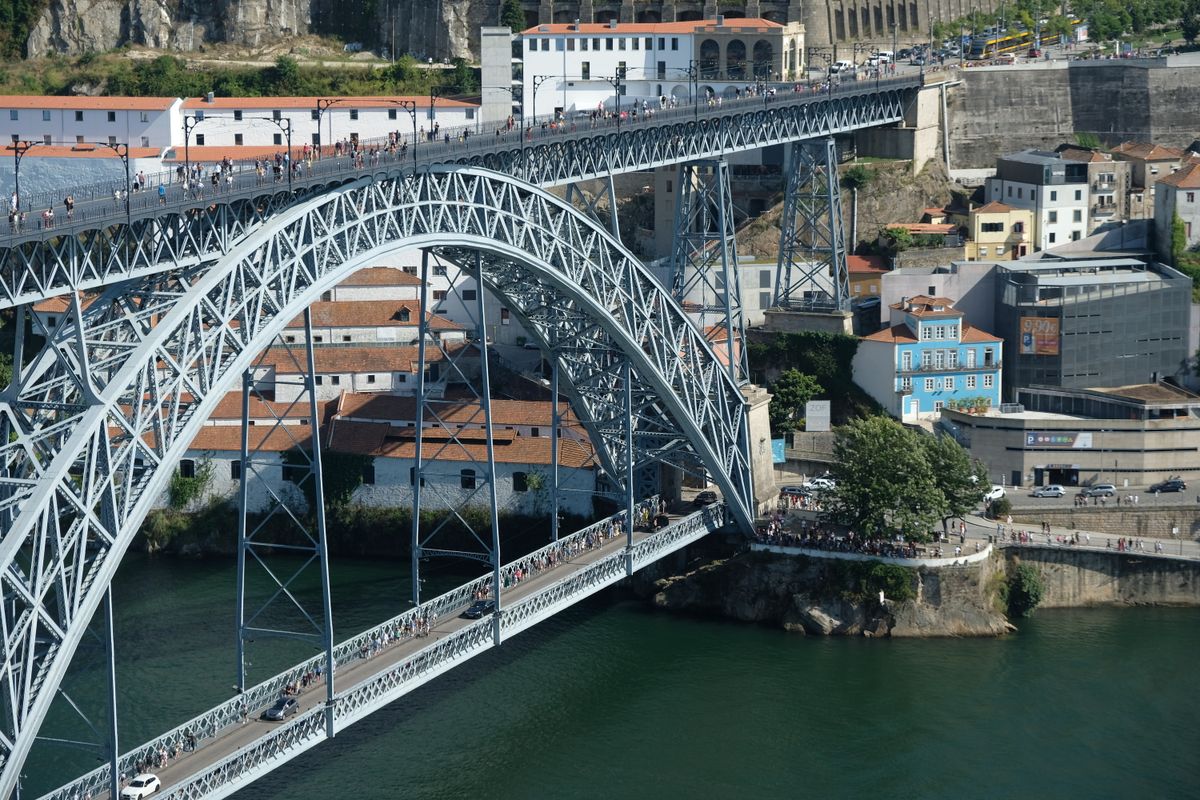
Most English teaching jobs in Portugal are based in private language schools, known locally as escolas de línguas or centros de estudos. These academies run classes for young learners, teenagers preparing for Cambridge and IELTS exams, and adults who need English for work or travel. The academic year mirrors the school calendar, running from September to June, with the busiest recruitment in late summer.
New arrivals usually start on an hourly or part-time timetable and build up to a fuller schedule as they prove themselves. Many teachers are paid as self-employed workers under Portugal’s recibos verdes, or green receipts, system rather than on a salaried contract, so it pays to understand your tax position from the start. Business English delivered inside companies, private tutoring and summer camps round out the market, and a lot of teachers stitch two or three of these together.
Compared with the wider picture of getting your first TEFL job in Europe, Portugal is welcoming to newcomers, but the trade off is modest pay and timetables that can take a term to fill. Full details on schools and regions sit in our teaching English in Portugal country guide.
Do Irish teachers need a visa to teach English in Portugal?
No. As an Irish citizen you are an EU national, so you have the right to live and work in Portugal without a visa or work permit. You can arrive, job hunt and start teaching straight away, which is a genuine advantage over applicants from outside the EU who face permit sponsorship and quotas.
There is still paperwork, but it is administrative rather than a barrier. If you stay longer than three months, EU rules say you should register your residence, and the European Commission’s Your Europe service confirms that EU nationals working in another member state register for a certificate of residence. In Portugal that certificate, the Certificado de Registo, is arranged through your local câmara municipal, or town hall, and through AIMA, the agency that took over immigration matters from the former SEF in 2023. You can check current steps on the AIMA official website.
Two more numbers make your life easier: a Número de Identificação Fiscal, or NIF, which is your tax number, and a Número de Identificação de Segurança Social, or NISS, for social security. You need both to be paid and taxed properly and to rent a flat. The Embassy of Ireland in Portugal is the official point of contact for consular questions once you are there.
How much can you earn teaching English in Portugal?
English teachers in Portugal typically earn about €900 to €1,300 a month gross in a language academy, while experienced teachers and those delivering business English can reach €1,400 or more. Pay is lower than in northern Europe or the Gulf, but the cost of living outside central Lisbon is lower too, and private tutoring tops up most teachers’ income. The figures below are typical, approximate and quoted gross.
| Role or setting | Typical monthly gross (EUR) | Notes |
|---|---|---|
| Private language academy | €900 to €1,300 | Most common entry route; often hourly at first, peak hiring in September |
| Business or in-company English | €1,100 to €1,500 | Corporate clients, daytime slots, usually needs some experience |
| Private tutoring (explicações) | €12 to €20 per hour | Flexible, build your own client list, common income top up |
| Summer camps (June to August) | €700 to €1,100 plus board | Seasonal and often residential, focused on young learners |
| Online teaching from Portugal | Varies by platform | Location independent, used to fill gaps in an academy timetable |
For a wider benchmark against other destinations, see our roundup of real teaching salaries for Irish teachers abroad, which sets Portugal in context alongside Spain, Italy and central Europe.
Verified review
★★★★★
“Fantastic course, they give lots of help and very easy platform to use.”
Maia · Rated 5 out of 5 · Read the full review
Where are the best places to teach English in Portugal?
Lisbon and Porto have the deepest job markets, while the Algarve, Coimbra and Braga offer a quieter pace with steady academy and seasonal work. Where you base yourself shapes both your pay and your outgoings, so it is worth matching the city to the life you want.
Lisbon has the widest choice of academies, business English clients and international schools, along with the highest rents. Porto offers a similar range of academy work at a gentler cost of living and a strong community of new teachers. The Algarve leans seasonal, with summer camps and tourism driven demand, while Coimbra and Braga, both university cities, keep a reliable flow of exam preparation and young learner classes through the year.
TEFL Stories
A graduate story from The TEFL Institute of Ireland
What qualifications do you need to teach English in Portugal?
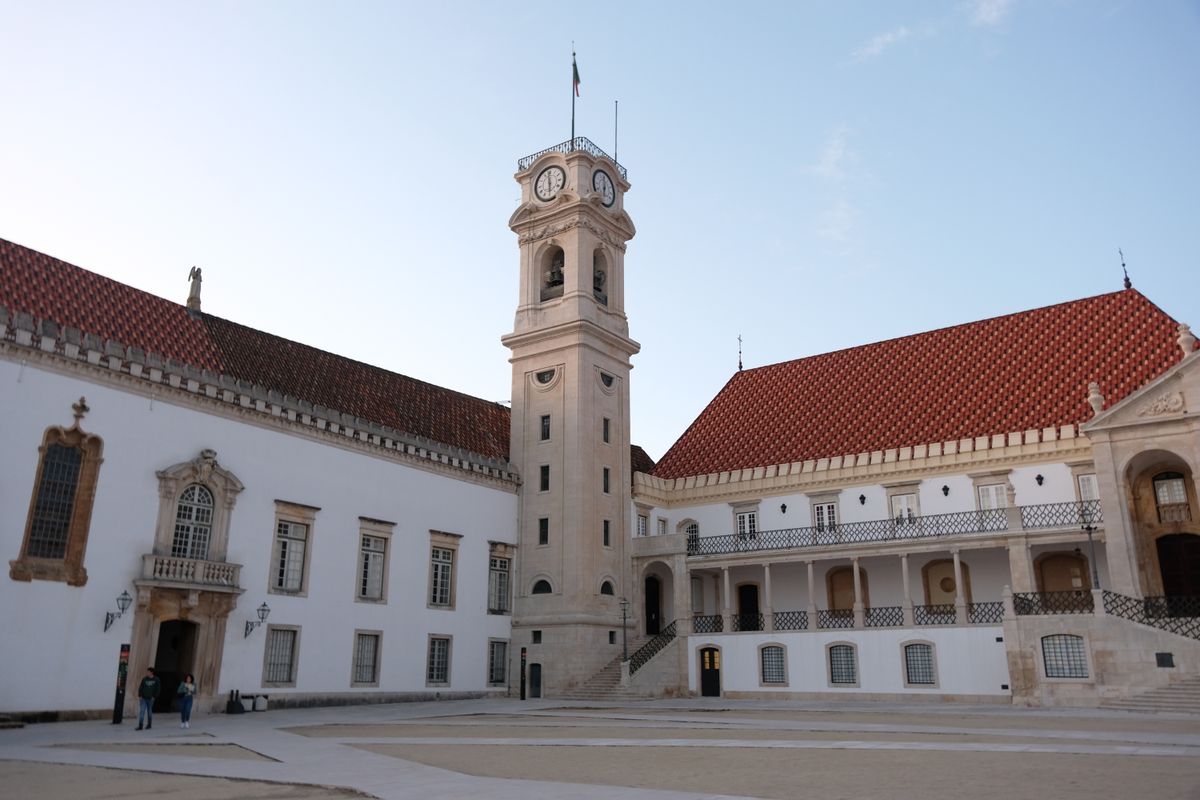
Most Portuguese language academies ask for an accredited TEFL certificate of at least 120 hours and a confident command of English, and a degree strengthens your application without always being essential. Requirements are set school by school, so the picture is more flexible than in markets like the Gulf or East Asia where a degree is often a legal condition.
An accredited 120-hour TEFL course is the recognised baseline, and an Ofqual-regulated Level 5 TEFL diploma helps you stand out where more candidates compete, particularly in Lisbon and Porto. Experience with young learners and exam classes is valued, since much academy work is teens sitting Cambridge and IELTS papers. If you are weighing up course types, our guide to TEFL, TESOL and CELTA compared explains what each one signals to an employer.
What is the cost of living like for teachers in Portugal?
Portugal is cheaper than Ireland overall, but rents in Lisbon and Porto have risen sharply, so a single academy wage stretches furthest outside the two big cities. Most new teachers share a flat, use the good value public transport and eat well for little, which keeps monthly costs manageable even on entry level pay.
A room in a shared flat in Lisbon commonly runs higher than the same room in Porto or a smaller city, and utilities, a transport pass and groceries together remain far below Dublin levels. The honest trade off is clear: you will not save large sums on Portuguese teaching pay, but you can live comfortably, travel at weekends and bank the experience, especially if you add tutoring hours.
Our editorial charter
Every guide on TEFL.ie is written by people who have taught English abroad and is checked against real hiring rules, salary ranges and official sources before it goes live. The TEFL Institute of Ireland is Europe’s largest TEFL trainer by teachers certified, founded in 2017, with more than 161,000 teachers trained for classrooms in over 80 countries.
How do Irish teachers get hired in Portugal?
Most teachers get hired by being in Portugal at the right time, applying directly to academies in late summer and interviewing in person. Portuguese schools tend to recruit close to the start of term and favour candidates they can meet, so the single biggest factor is turning up ready in August or early September.
A practical order of play works well. Certify first with an accredited course, then prepare a clean one page CV and a short cover email in English. Arrive before the September rush, register your NIF and residence certificate, and apply directly to academies by email and in person, backed up by reputable job boards and the group job board. Line up a few private tutoring students early to bridge the weeks before your academy timetable fills, and browse other destinations on our country guides to teaching English abroad if you want to compare options before you commit.
Frequently asked questions
Yes. Irish citizens are EU nationals, so they can live and work in Portugal with no visa or work permit. After three months you register your residence for a certificate at the local town hall or through AIMA, and you take out a Portuguese tax number and social security number to be paid legally.
A language academy teacher in Portugal typically earns about 900 to 1,300 euro a month gross, and experienced or business English teachers can reach 1,400 or more. Private tutoring adds roughly 12 to 20 euro an hour. Wages are lower than northern Europe, but so is the cost of living outside central Lisbon.
Not always. Many private academies hire teachers with an accredited TEFL certificate and strong English rather than a degree, though a degree widens your options and helps with better paid roles. For most Irish applicants an accredited 120-hour course is the practical minimum, and a Level 5 qualification stands out.
The main hiring season runs from late August into September, when academies staff up for the academic year, with a smaller second intake in January. Summer camps recruit from spring for June to August. Applying in person during these windows lands far more interviews than emailing from Ireland months ahead.
For most private language academy jobs, yes. An accredited 120-hour TEFL certificate is the recognised baseline and covers grammar, lesson planning and classroom management. Adding a Level 5 qualification, young learner training or exam preparation experience makes you more competitive, especially in Lisbon and Porto where more candidates compete for roles.
Yes. Many teachers in Portugal combine part-time academy hours with online teaching to boost their income and fill gaps in their timetable. Online work is location independent, so you can build it around your in-person classes. Register as self-employed for tax so your online earnings are declared correctly in Portugal.
Start your route to teaching in Portugal
If Portugal is your goal, the first step is an accredited qualification employers there recognise. Our accredited 120-hour TEFL course covers the essentials academies expect, while the Ofqual-regulated Level 5 TEFL diploma gives you an edge in the busier Lisbon and Porto markets. When you are ready, read the full teaching English in Portugal country guide for current openings, and start building the route that takes you from Ireland to a classroom on the Atlantic.