

Last reviewed: 17 August 2026
TESOL in Australia means getting a recognised English teaching qualification, usually a 120-hour certificate as a starting point, then finding work in private language colleges, adult migrant programmes, community classes and online. Australians say TESOL where the Irish and British say TEFL, the two point at the same job, and for Irish teachers a Working Holiday visa is the most common way in.
Key takeaways
- In Australia the usual term is TESOL, not TEFL, but they describe the same work: teaching English to speakers of other languages.
- A 120-hour accredited certificate is the standard entry point for tutoring, volunteering, working holiday roles and online teaching.
- Regulated college teaching in the ELICOS sector expects more: typically a degree plus a qualification such as CELTA, a Certificate IV in TESOL or an equivalent that meets the ELICOS Standards.
- NEAS and the ELICOS Standards set the quality bar for accredited English language colleges, so the qualification a college accepts is not always the one a tutoring agency accepts.
- Typical pay ranges from casual hourly rates in private colleges to salaried roles in adult migrant and community programmes, quoted here in Australian dollars and euro for planning only.
- Irish teachers most often arrive on a Working Holiday visa (subclass 417), which allows short-term and casual English work while you are in the country.
What does TESOL mean in Australia?
TESOL stands for Teaching English to Speakers of Other Languages, and in Australia it is simply the everyday word for the job that Irish and British teachers tend to call TEFL. The letters differ, the classroom does not. If you have researched teaching English at home you will have seen TEFL, TESOL and CELTA used almost interchangeably, and our full explainer on the difference between TEFL and TESOL unpicks where the terms genuinely diverge. For an Australian job search, the practical rule is to lead with the word TESOL, because that is what employers, colleges and job boards there use.

The reason the terminology matters is search and shortlisting. An Australian college advertising for a TESOL teacher will filter for that exact phrasing, and a CV that talks only about TEFL can read as if it belongs to a different market. It does not, but you should not make a busy director of studies work that out. Put TESOL in your headline, list your specific certificate underneath, and you sidestep the problem entirely.
Underneath the label, the work is what you would expect: planning lessons, teaching speaking, listening, reading and writing, and helping learners use English for study, work or daily life. Australia has an unusually structured English teaching sector, from government-funded adult migrant classes to a large private college industry built around international students, so the same qualification can open several quite different doors.
What TESOL qualification do you need to teach English in Australia?
It depends entirely on which door you are aiming at, and this is the single most important thing to understand before you spend money on a course. For casual tutoring, volunteering, working holiday roles and online teaching, an accredited 120-hour certificate is widely accepted and is the fastest, most affordable way to start. For a job inside an accredited English language college, the bar is higher and set by regulation rather than by the college’s own preference.
Australia’s international English colleges operate under the ELICOS sector, short for English Language Intensive Courses for Overseas Students, and the quality of those providers is assured by bodies including NEAS, a long-standing quality authority for English language teaching. Under the ELICOS Standards, teachers in those colleges are generally expected to hold a degree plus a recognised TESOL qualification such as CELTA, a Certificate IV in TESOL, a Graduate Certificate in TESOL or an assessed equivalent. An online 120-hour certificate on its own is usually a foundation for that path rather than the finish line.
| Qualification | Typical use in Australia | Rough study time | Best suited to |
|---|---|---|---|
| 120-hour TESOL or TEFL certificate | Tutoring, volunteering, working holiday and casual roles, online teaching | Four to twelve weeks part time | A fast, affordable first qualification |
| Level 5 TEFL diploma (Ofqual-regulated) | Stronger online and private roles, a credible step up from 120 hours | Roughly 168 to 180 hours | Teachers who want a regulated, higher-level certificate |
| CELTA | Widely recognised for ELICOS college roles | Four weeks full time or several months part time | Regulated college teaching of adults |
| Certificate IV in TESOL | Australian vocational qualification accepted by many colleges | Several months | Teachers settling in Australia longer term |
The honest summary is that no single certificate unlocks every role. A 120-hour course gets you teaching quickly and is the right first move for most people arriving on a working holiday, while CELTA or a Certificate IV is what a regulated college will usually ask for. Many teachers start with the former and add the latter once they know Australia is where they want to stay. Our accredited 120-hour TEFL course is built to give you exactly that foundation, and the Ofqual-regulated Level 5 TEFL diploma is the natural step up if you want a regulated qualification on a public register before you go further.
How much does a TESOL course cost in Australia?
Course cost swings widely depending on the type, from a couple of hundred dollars for an online certificate to several thousand for an in-person CELTA. The figures below are approximate planning ranges rather than fixed prices, because providers, promotions and formats all move the number around.
An online 120-hour TESOL or TEFL certificate typically sits in the region of A$300 to A$600, and because it is studied remotely you can complete it before you fly or during your first weeks in the country. A CELTA, which is classroom-based and intensive, usually runs from roughly A$3,000 to A$3,600 and takes a month of full-time study. A Certificate IV in TESOL falls between the two on both cost and time. The right spend is the one that matches your target role: paying for CELTA makes sense if a regulated college job is the goal, while an online certificate is the sensible outlay if you are tutoring or teaching online on a working holiday.
“The platform was easy to navigate, and the assessments were fair and aligned with the course material.”
Sundus Anwar · Verified review · Read the full review
Where are the TESOL teaching jobs in Australia?
The jobs cluster in four places: private English colleges, adult migrant and community programmes, private tutoring, and online teaching. Each hires differently and expects a different level of qualification, which is why it pays to pick your lane before you apply rather than firing the same CV at all four.
Private English colleges, the ELICOS providers, are the most visible employers and are concentrated in Sydney, Melbourne, Brisbane and the Gold Coast, where international student numbers are highest. These are the roles that expect a degree plus CELTA or an equivalent. Adult migrant English, delivered through government-funded community programmes, is steadier and salaried, and tends to ask for stronger qualifications and local experience. Private tutoring and online teaching are the most accessible on arrival, accept a 120-hour certificate comfortably, and are how a lot of working holiday teachers earn while they settle in.
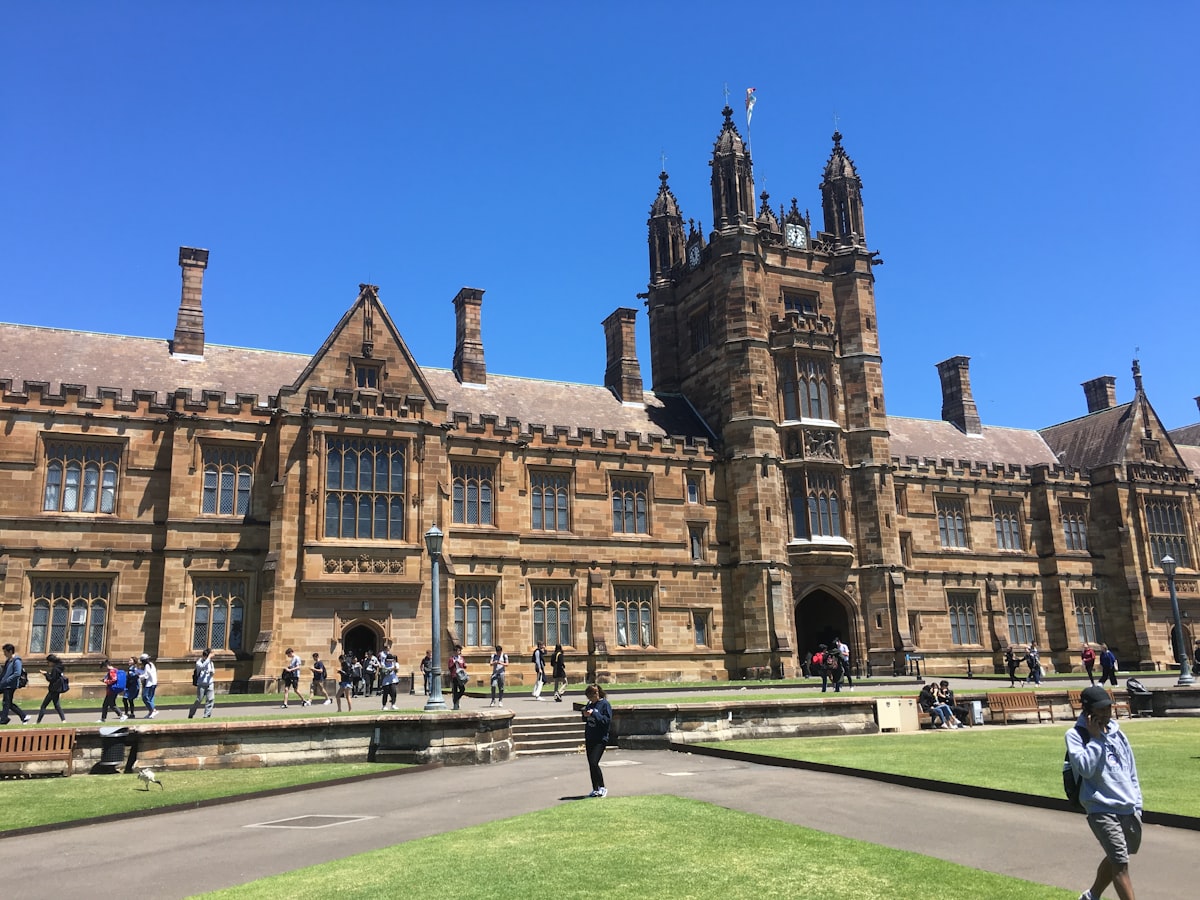
Geography shapes the market more than most new arrivals expect. Sydney and Melbourne have the deepest pools of college work but also the highest rents, so the money left at the end of the month is not always better than a quieter Brisbane or Adelaide posting. If you are weighing Australia against other destinations, our guide to teaching English jobs around the world is a useful way to compare the sector city by city and country by country before you commit to a flight.
One realistic note on timing: the college sector follows international student intakes, so hiring tends to lift ahead of the main study periods early in the year and again mid-year. Casual and tutoring work, by contrast, ticks over all year round, which is part of why it suits teachers who land on a working holiday and want to start earning quickly.
A New Career After 30 Years in Social Care | Anita’s TEFL Journey
How much do TESOL teachers earn in Australia?
Pay depends on the sector and whether you are casual or salaried, and Australia’s minimum wage floor means even casual English work is reasonably protected by law. Casual college teaching is usually quoted as an hourly rate, adult migrant and community roles are more often salaried, and tutoring or online work is priced per hour by the teacher or platform. The ranges below are editorial estimates drawn from typical advertised roles and are given in Australian dollars with an approximate euro conversion for planning only.
| Type of work | Typical pay (AUD) | Approximate EUR | Qualification usually expected |
|---|---|---|---|
| Private tutoring | A$35 to A$60 per hour | 21 to 36 EUR per hour | 120-hour certificate |
| Online English teaching | A$25 to A$45 per hour | 15 to 27 EUR per hour | 120-hour certificate |
| ELICOS college teacher (casual) | A$45 to A$65 per hour | 27 to 39 EUR per hour | Degree plus CELTA or equivalent |
| Adult migrant or community English (salaried) | A$70,000 to A$90,000 per year | 42,000 to 54,000 EUR per year | Degree plus TESOL qualification and experience |
These are planning figures rather than an official salary survey, so treat them as a frame and confirm the exact rate in the contract in front of you. Award and minimum pay rules are set out by the Fair Work Ombudsman, which is the authority to check for the current legal minimums and casual loadings that apply to English teaching work. As with any destination, no TEFL provider, including us, can guarantee you a specific salary or role, and your actual earnings will depend on the city, the employer and how many hours you can pick up.
“Fantastic course, they give lots of help and very easy platform to use.”
Maia · Verified review · Read the full review
Can Irish teachers work in Australia on a TESOL qualification?
Yes, and for most Irish teachers the route in is a Working Holiday visa rather than a teaching-specific one. Irish citizens aged 18 to 35 can apply for the Working Holiday visa (subclass 417), which lets you live in Australia for up to a year and work as you go, including casual and short-term English teaching, tutoring and online work. It is the visa that makes a first TESOL job in Australia genuinely achievable straight out of an Irish university.
The qualification and the visa are two separate questions, and it helps to keep them apart in your planning. The visa gives you the legal right to work, while the TESOL certificate makes you employable once you are there. A 120-hour certificate paired with a working holiday visa is the classic combination for a first year abroad, and our guide to the Working Holiday visa and TEFL for Irish teachers walks through how the two fit together. If you decide to stay beyond the working holiday, longer-term work usually means either a sponsored role, which raises the qualification bar considerably, or transitioning onto a study or skilled pathway.
Is a TESOL certificate worth it for teaching in Australia?
For the right person it is, provided you match the certificate to the work you actually want. If your plan is a working holiday funded partly by tutoring, casual college hours and online teaching, an accredited 120-hour TESOL certificate is well worth the modest outlay and pays for itself quickly. If your plan is a regulated college career, the certificate is a first step rather than the whole journey, and you should budget for CELTA or a Certificate IV on top.
Where teachers go wrong is buying the wrong level for their goal: paying for CELTA when they only ever intend to tutor, or expecting a 120-hour online course to open a regulated ELICOS role on its own. The State of TEFL 2026 report is a useful reality check on which qualifications employers actually recognise before you spend anything. Buy for the door you are aiming at, and the maths works out.
How do you get started with TESOL in Australia?
Certify first, then line up the visa, then apply into the sector that matches your qualification. In practice that means completing an accredited TESOL or TEFL certificate you can study from Ireland, applying for your Working Holiday visa in good time, and preparing a CV that leads with the word TESOL and names your specific certificate underneath. Arrive certified and visa-ready and you can be earning within your first few weeks.
The TEFL Institute of Ireland is part of the group that has certified 161,000 teachers across 80 countries since 2017, and our courses are designed to get you interview-ready rather than just certified. Whichever destination you choose, the qualification is the part you can sort this month, long before you book a flight.
Conclusion
TESOL in Australia is not one job with one entry requirement, it is a sector with several doors, and the smart move is to choose your door before you choose your course. Tutoring, online work and casual college hours are within reach of a 120-hour certificate and a Working Holiday visa, which is why that combination suits so many Irish teachers heading out for a year. Regulated college teaching asks for more, usually a degree plus CELTA or an equivalent that meets the ELICOS Standards, and is the path to build towards if you decide to stay. Get the terminology right, match the qualification to the role, sort the visa early, and teaching English in Australia becomes a realistic and rewarding first step rather than a vague ambition.
Ready to start your TESOL journey?
Australia rewards teachers who arrive qualified and visa-ready, and the qualification is the part you can start today. Begin with the accredited 120-hour TEFL course for the fastest, most credible route into tutoring, online and working holiday roles, or step up to the Ofqual-regulated Level 5 TEFL diploma if you want a regulated qualification behind you before you go further.
Frequently asked questions
Yes, in practice they describe the same job. TESOL means Teaching English to Speakers of Other Languages and is the term Australians use, while TEFL is more common in Ireland and the UK. Employers there advertise for TESOL teachers, so lead with that word on your CV.
Yes, for tutoring, volunteering, online teaching and casual working holiday roles a 120-hour accredited certificate is widely accepted. Regulated college teaching in the ELICOS sector usually expects more, typically a degree plus CELTA or an equivalent qualification that meets the ELICOS Standards.
Most Irish teachers use the Working Holiday visa (subclass 417), open to Irish citizens aged 18 to 35, which allows up to a year in Australia with the right to work, including casual and short-term English teaching. Longer-term teaching usually means a sponsored role or a study or skilled pathway.
An online 120-hour TESOL or TEFL certificate typically costs around A$300 to A$600, while an in-person CELTA usually runs from roughly A$3,000 to A$3,600 for a month of full-time study. A Certificate IV in TESOL sits between the two on both cost and time. Prices vary by provider and format.
Casual and tutoring work is usually priced per hour, often in the region of A$35 to A$65 depending on the sector and qualification, while salaried adult migrant and community roles can reach A$70,000 to A$90,000 a year. These are approximate planning figures, so confirm the exact rate in your contract.
Not for every role. Private tutoring, online teaching and casual working holiday work generally accept a 120-hour certificate without a degree. Regulated ELICOS college roles and salaried adult migrant programmes usually do expect a degree alongside a recognised TESOL qualification such as CELTA.